Machine Learning vs Deep Learning: A Plain-English Explanation
“Machine learning (ML) is a subset of AI where systems learn from data without explicit programming. Deep learning (DL) is a subset of ML that uses artificial neural networks with many layers. All deep learning is machine learning, but not all machine learning is deep learning. Deep learning dominates image recognition, NLP, and generative AI; classical ML excels at tabular data, interpretability, and small datasets.”

Educational content only. AI-assisted and editorially reviewed. See full Legal Notice.
Machine Learning vs Deep Learning: A Plain-English Explanation
Machine learning and deep learning are two of the most important concepts in AI — and two of the most commonly confused. They're related but distinct, and understanding the difference helps you make smarter decisions about which tools and courses to pursue.
The Big Picture: How They Relate
Think of it as nested circles:
Artificial Intelligence (the broadest category) → includes everything from rule-based systems to modern neural networks
Machine Learning (a subset of AI) → systems that learn from data without being explicitly programmed for each task
Deep Learning (a subset of ML) → machine learning specifically using multi-layered neural networks
So: all deep learning is machine learning. Not all machine learning is deep learning. Both are subsets of artificial intelligence.
What Is Machine Learning?
Machine learning is the practice of training computer systems to make predictions or decisions by learning patterns from data, rather than following explicitly programmed rules.
Classic example — spam detection:
The system isn't told *what rules to look for* — it discovers the patterns itself.
Main Types of Classical Machine Learning
Supervised learning: Training on labeled examples (input + correct output). Most common in practice.
Unsupervised learning: Finding patterns in unlabeled data.
Reinforcement learning: Learning through trial and error and reward signals.
What Is Deep Learning?
Deep learning is machine learning that uses artificial neural networks with many layers ("deep" = many layers). These networks are loosely inspired by how neurons in the brain connect and fire.
Why "deep"?: Each layer of the network learns progressively more abstract representations of the input. In image recognition:
This automatic feature learning — not having to manually specify what patterns to look for — is what makes deep learning powerful.
When Deep Learning Changed Everything
Until about 2012, classical machine learning algorithms (decision trees, SVMs, linear models) dominated practical AI. That year, a deep neural network called AlexNet won an image recognition competition by a margin so large it forced the entire field to pay attention.
Since then, deep learning has achieved superhuman performance on:
Key Differences Side by Side
| Classical ML | Deep Learning | |
|---|---|---|
| Data requirements | Works well with small-medium datasets | Needs large datasets |
| Compute requirements | Can run on CPU | Usually needs GPU |
| Feature engineering | Manual (humans specify what to look for) | Automatic (network learns features) |
| Interpretability | Generally high (you can explain decisions) | Generally low ("black box") |
| Best for | Tabular data, structured data, limited data | Images, audio, text, unstructured data |
| Common algorithms | Random forest, XGBoost, logistic regression | CNNs, RNNs, Transformers |
| Training time | Minutes to hours | Hours to weeks |
Practical Examples of Each
Classical ML in Practice
Deep Learning in Practice
Which Should You Learn?
If you're new to AI/ML: Start with classical ML. It's more interpretable, requires less data, and runs on standard hardware. Scikit-learn (Python) is the go-to library.
If you want to work with language models or images: Deep learning is essential. Learn PyTorch or TensorFlow after mastering ML fundamentals.
If you're in a business analytics role: Classical ML is probably more relevant — tabular data is the norm, and interpretability matters for business decisions.
If you want to build LLMs, image generation, or work at an AI research lab: Deep learning fluency is non-negotiable.
Most professional data scientists are proficient in both. Classical ML for tabular/structured data, deep learning for unstructured data (images, text, audio).
Learning Paths
For ML fundamentals: Google's Machine Learning Crash Course is free and excellent. IBM's AI and ML certifications on Coursera cover the full spectrum.
For deep learning: Fast.ai (free, practical-first), DeepLearning.AI's Deep Learning Specialization (Andrew Ng), and NVIDIA's deep learning courses (GPU-focused, professional-grade).
For a career overview and salary data: see our AI salary calculator to understand what ML engineers and deep learning specialists earn in your country.
Hardware Validation
Vetted tools for peak AI Fundamentals performance in high-yield AI workflows.
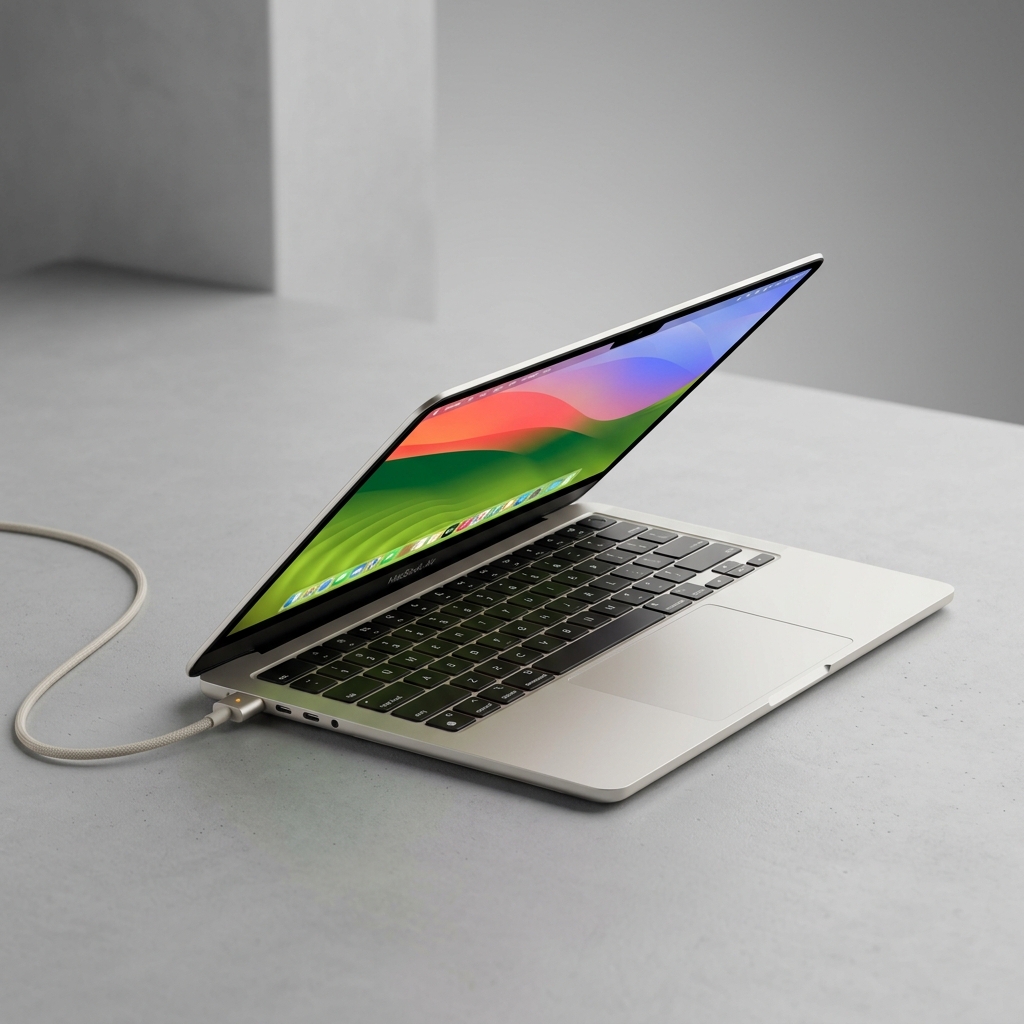
Macbook Air
The world’s premier laptop for mainstream users. An unprecedented fusion of silent performance, ultra-slim aesthetics, and multi-day battery longevity.
Check Today's Price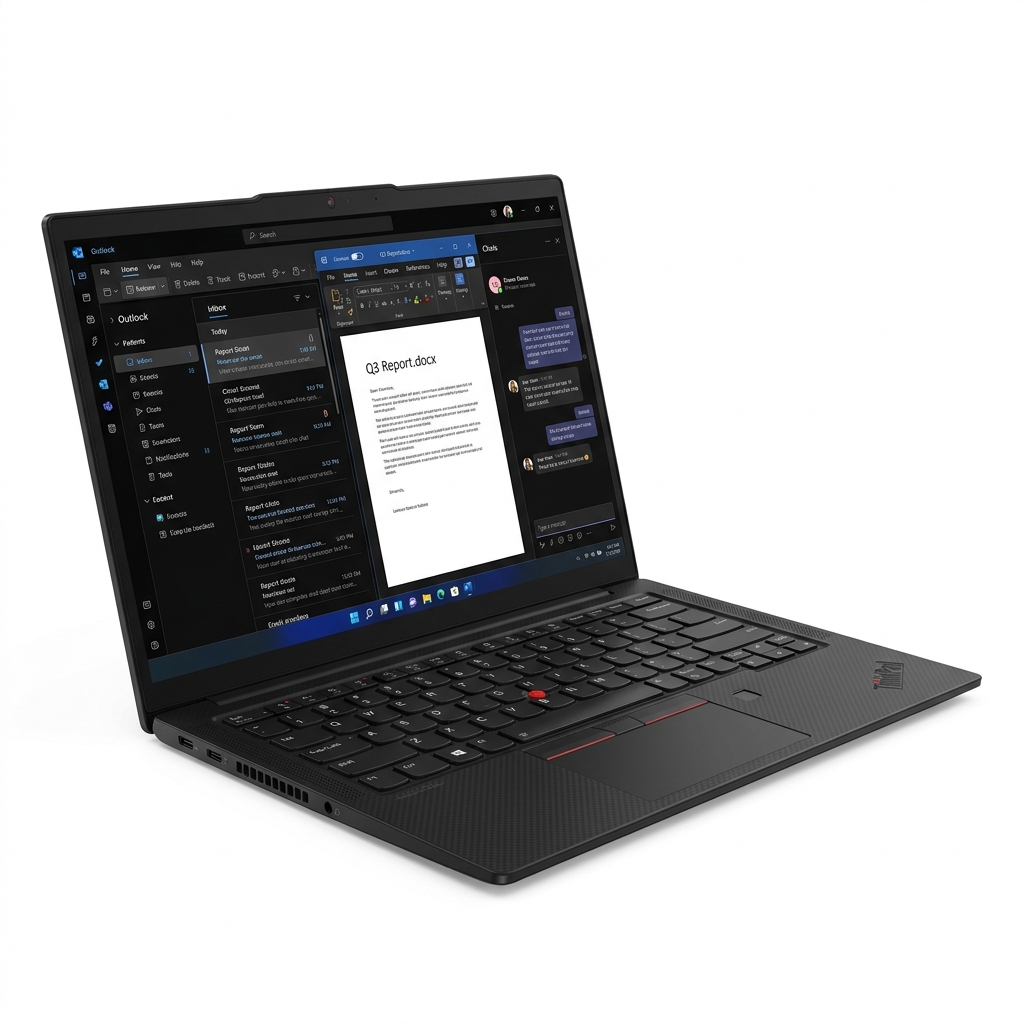
ThinkPad X1 Carbon
The ultimate enterprise workhorse. MIL-SPEC durability paired with the industry’s finest tactile keyboard; a timeless productivity tool.
Check Today's PriceTop AI Courses is an independent intelligence engine. We may earn an affiliate commission from qualifying purchases made through our "Market Links." This model ensures our architectural research remains decentralized, independent, and free for the global 2026 workforce.
Start Learning ML with Google
“Google's Machine Learning Crash Course and professional certificates are the most comprehensive free-to-paid ML learning paths available.”
Explore Google AI Courses →The Architect's Library
Precision tools verified for 2026 AI ecosystems. Industrial-grade hardware for those who build the future.
Top AI Courses is an independent intelligence engine. We may earn an affiliate commission from qualifying purchases made through our "Market Links." This model ensures our architectural research remains decentralized, independent, and free for the global 2026 workforce.