Python for AI Beginners: The Complete 2026 Learning Guide
“To learn Python for AI in 2026, follow this sequence: Python basics (4-6 weeks), NumPy and Pandas for data manipulation (3-4 weeks), data visualization with Matplotlib (2 weeks), machine learning with scikit-learn (4-6 weeks), then deep learning with PyTorch (6-8 weeks). Total time to productive AI development: 5-7 months of consistent practice.”
Educational content only. AI-assisted and editorially reviewed. See full Legal Notice.
Python for AI Beginners: The Complete 2026 Learning Guide
Python is the language of AI. Over 80% of machine learning code on GitHub is Python. Every major AI framework — PyTorch, TensorFlow, scikit-learn, Hugging Face — is Python-first. If you want a technical AI career, Python is not optional.
The good news: Python is one of the most learnable programming languages. The path from zero to productive AI development is well-established and achievable in under a year of consistent practice.
---
The Learning Roadmap: Phase by Phase
Phase 1: Python Fundamentals (4-6 weeks)
Before touching AI libraries, you need solid Python basics. The concepts that matter most for AI work:
Best resources:
Goal for Phase 1: Write a Python script that reads a CSV file, processes the data, and outputs a summary. If you can do this comfortably, you are ready for Phase 2.
---
Phase 2: Data Science Fundamentals (4-6 weeks)
AI begins with data. Before building models, you must be able to load, explore, clean, and visualize data.
NumPy — Numerical computation. Arrays, mathematical operations, broadcasting. Everything in AI is ultimately matrix operations, and NumPy is how you do matrices in Python.
```python
import numpy as np
arr = np.array([[1, 2, 3], [4, 5, 6]])
print(arr.shape) # (2, 3)
print(arr.mean()) # 3.5
```
Pandas — Data manipulation. Loading datasets, filtering, grouping, merging, handling missing values. Every real AI project starts with Pandas.
```python
import pandas as pd
df = pd.read_csv('data.csv')
df = df.dropna() # remove missing values
df['salary'].mean() # average salary
```
Matplotlib / Seaborn — Visualization. Plotting distributions, correlations, and model performance. Understanding your data visually before modeling is non-negotiable.
Best resource: Kaggle's Pandas course (free) — learn by manipulating real datasets.
---
Phase 3: Machine Learning with scikit-learn (4-6 weeks)
scikit-learn is the starting point for ML. It implements all classical algorithms with a consistent API — train/predict/evaluate.
Algorithms to learn first:
Core workflow:
```python
from sklearn.ensemble import RandomForestClassifier
from sklearn.model_selection import train_test_split
from sklearn.metrics import accuracy_score
X_train, X_test, y_train, y_test = train_test_split(X, y, test_size=0.2)
model = RandomForestClassifier()
model.fit(X_train, y_train)
predictions = model.predict(X_test)
print(accuracy_score(y_test, predictions))
```
Best resource: Kaggle's Intro to Machine Learning course (free) + work through 2-3 Kaggle competitions.
---
Phase 4: Deep Learning with PyTorch (6-10 weeks)
PyTorch is the industry standard for deep learning in 2026 — used by Meta, Tesla, and the majority of AI research. TensorFlow is still used, particularly in Google environments, but PyTorch has become dominant.
Concepts to learn:
Best resource: Fast.ai's Practical Deep Learning course — free, taught top-down (build things first, understand theory second). Has produced more Kaggle grandmasters than any other course.
---
Phase 5: Working with LLMs (4-6 weeks)
In 2026, a significant portion of AI development involves working with large language models through APIs and fine-tuning frameworks.
Hugging Face Transformers — The standard library for working with pre-trained LLMs. Load BERT, GPT-2, Llama, and hundreds of other models with a few lines of Python.
```python
from transformers import pipeline
classifier = pipeline("sentiment-analysis")
result = classifier("This movie was absolutely fantastic!")
[{'label': 'POSITIVE', 'score': 0.9998}]
```
LangChain / LlamaIndex — Frameworks for building applications on top of LLMs — RAG systems, agents, chatbots.
OpenAI / Anthropic Python SDKs — Direct API access for calling GPT-4, Claude, and other commercial models.
---
What to Build at Each Stage
Learning Python without building things produces brittle knowledge. Projects at each stage:
| Phase | Project |
|---|---|
| Python basics | Script that scrapes and saves job listings |
| Data science | Analysis of a Kaggle dataset with visualizations |
| ML with scikit-learn | Salary prediction or churn prediction model |
| Deep learning | Image classifier for a topic you care about |
| LLMs | Simple chatbot or document Q&A system |
Each project teaches 10x more than a comparable amount of tutorial time. Publish them on GitHub — this becomes your portfolio.
---
Common Mistakes to Avoid
Tutorial hell: Watching tutorials without building anything. After each tutorial section, build something before moving on.
Skipping data fundamentals: Going straight to neural networks before understanding data manipulation. Models built on poorly understood data produce wrong results confidently.
Ignoring debugging: AI code fails constantly. Learning to read error messages, use print statements strategically, and debug systematically is as important as knowing the libraries.
Perfectionism: Waiting until you "really understand" a concept before moving on. In Python for AI, you learn by doing and return to fundamentals when specific gaps become problems.
---
The Timeline Reality
Consistent 1 hour/day practice:
The timeline compresses significantly with 2-3 hours/day. Most bootcamp graduates spending full time on Python for AI reach functional proficiency in 3-4 months.
→ Google's AI certification covers Python for ML in a structured, recognized format
Hardware Validation
Vetted tools for peak Careers performance in high-yield AI workflows.
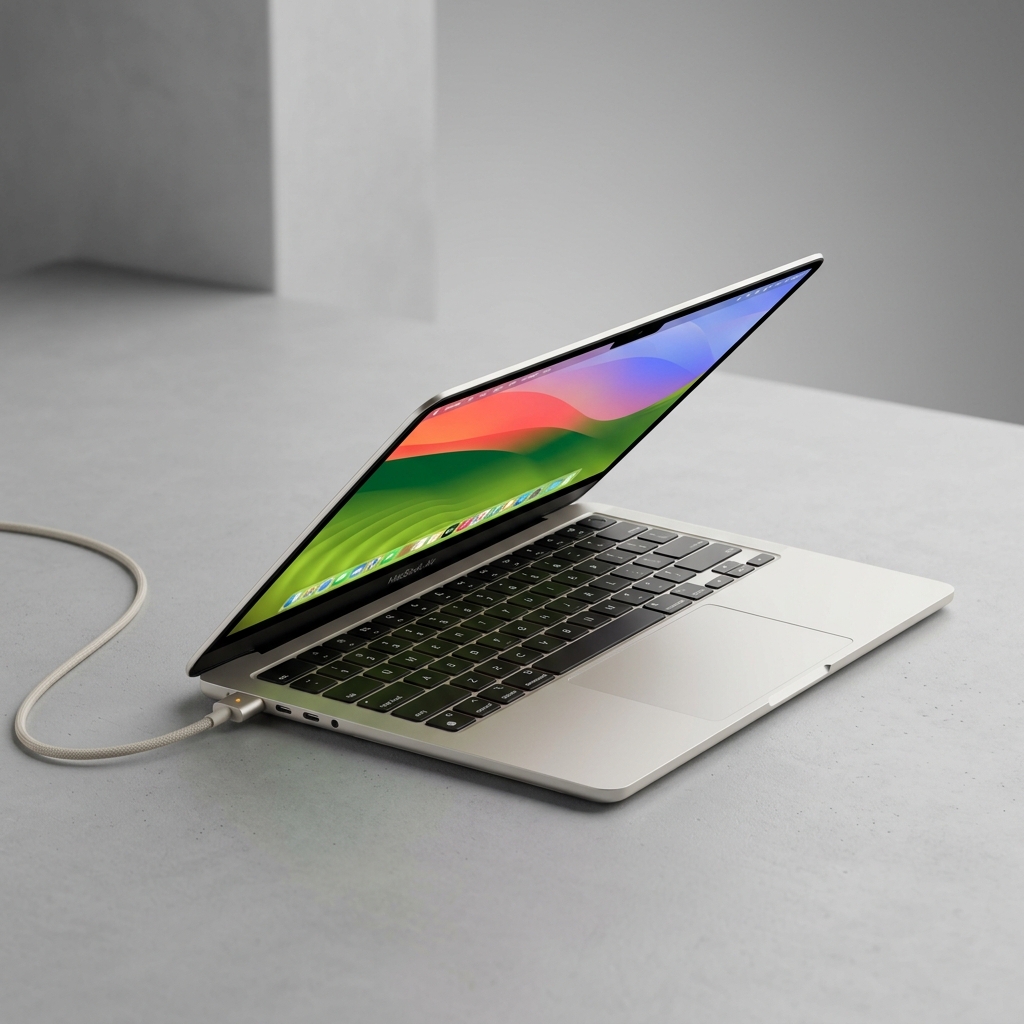
Macbook Air
The world’s premier laptop for mainstream users. An unprecedented fusion of silent performance, ultra-slim aesthetics, and multi-day battery longevity.
Check Today's Price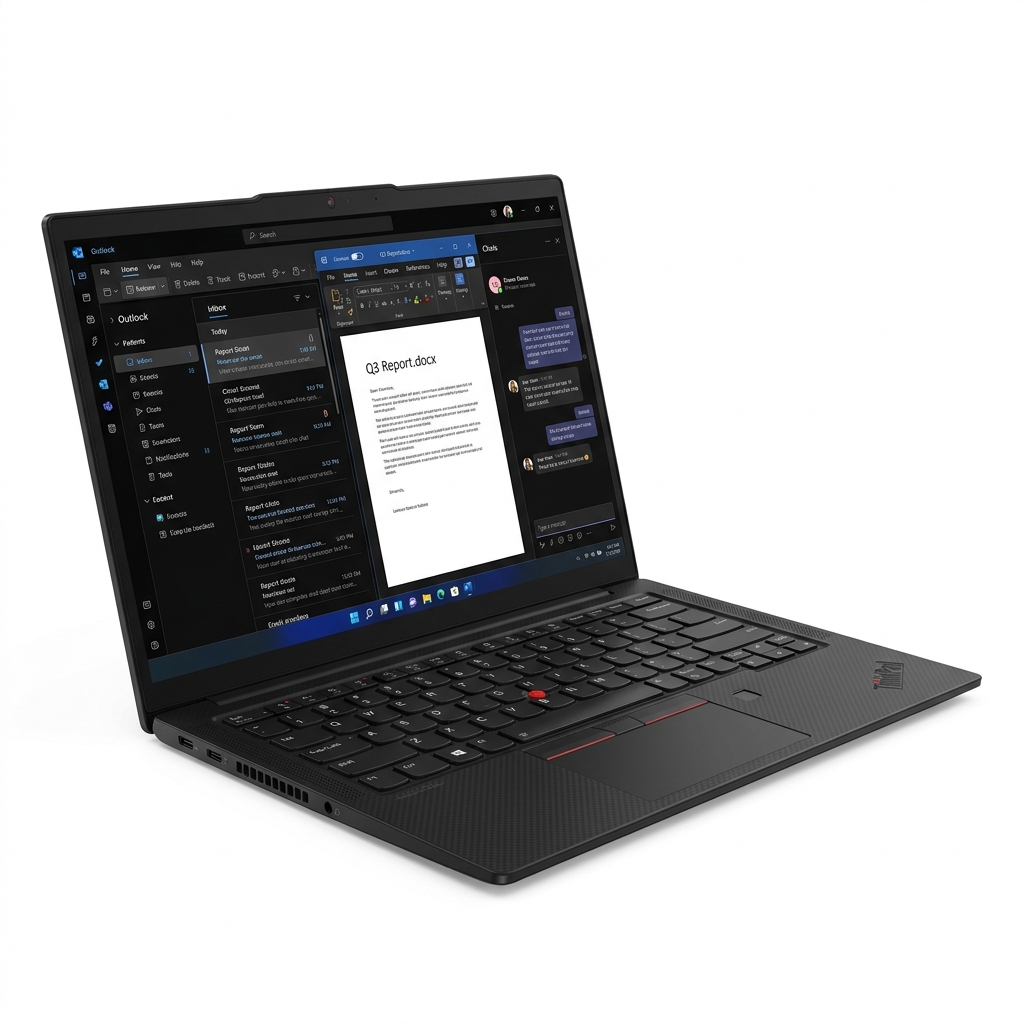
ThinkPad X1 Carbon
The ultimate enterprise workhorse. MIL-SPEC durability paired with the industry’s finest tactile keyboard; a timeless productivity tool.
Check Today's PriceTop AI Courses is an independent intelligence engine. We may earn an affiliate commission from qualifying purchases made through our "Market Links." This model ensures our architectural research remains decentralized, independent, and free for the global 2026 workforce.
Python and AI Certification
“Google's AI certification includes hands-on Python for ML — the most recognized credential for Python-based AI roles.”
Explore Google AI Courses →The Architect's Library
Precision tools verified for 2026 AI ecosystems. Industrial-grade hardware for those who build the future.
Top AI Courses is an independent intelligence engine. We may earn an affiliate commission from qualifying purchases made through our "Market Links." This model ensures our architectural research remains decentralized, independent, and free for the global 2026 workforce.