Will AI Replace Lawyers? What the Legal Industry Data Shows in 2026
“AI will not replace lawyers, but it is eliminating entry-level legal work at scale. Document review, contract drafting, and legal research — tasks that once occupied 60% of junior associate time — are now largely automated. The lawyers who thrive in 2026 treat AI as a force multiplier, not a threat.”

Educational content only. AI-assisted and editorially reviewed. See full Legal Notice.
Will AI Replace Lawyers? What the Legal Industry Data Shows in 2026
The legal industry spent years insisting it was immune to automation. That era is over.
AI has not replaced lawyers — but it has fundamentally restructured what lawyers spend their time doing, which skills command premium salaries, and where new lawyers find work. The firms that adapted early are processing more matters with fewer associates. The lawyers who adapted early are billing more hours on higher-value work.
Here is the honest, data-grounded picture.
---
What AI Has Already Automated in Law
Document Review and E-Discovery
This is the clearest example of AI displacement in law. E-discovery — the process of reviewing thousands of documents for relevance in litigation — once employed armies of contract attorneys at $35-50/hour. AI review platforms like Relativity and Everlaw now perform first-pass document review with 95%+ accuracy at a fraction of the cost.
The Association of Certified E-Discovery Specialists (ACEDS) estimates that AI has reduced the time and cost of document review by 70-80% since 2022. Contract attorney roles in this space have declined by over 40%.
Standard Contract Drafting
NDA generation, standard employment agreements, vendor contracts, and routine commercial agreements are largely automated in 2026. Tools like Contract Express and Ironclad allow non-lawyers to generate first drafts of standard contracts with minimal input.
This eliminated a significant portion of junior associate work at large firms. At some BigLaw firms, AI handles 80% of the first-draft work on contracts below a certain complexity threshold.
Legal Research
Casetext CoCounsel and Harvey AI can perform legal research tasks — identifying relevant case law, summarizing holdings, spotting contradictions in arguments — that previously took junior associates hours. A research task that once required 6 hours of associate time often takes 20 minutes with AI assistance.
Compliance Monitoring
For in-house legal teams, AI now monitors regulatory changes, flags potential compliance issues, and drafts response memos automatically. In financial services and healthcare, this has reduced in-house legal headcount requirements significantly.
---
What AI Cannot Do in Law
The legal work that remains stubbornly human-dependent shares common traits: ambiguity, judgment, relationships, and stakes.
| Legal Task | AI Capability | Human Requirement |
|---|---|---|
| Courtroom advocacy | None | Critical |
| Witness examination strategy | None | Critical |
| Client counseling (distressed clients) | None | Critical |
| Novel legal theory development | Weak | Critical |
| Negotiation | Partial (data support) | Critical for deals |
| Judicial relationship management | None | Critical |
| Cross-border deal structuring | Weak | Critical |
| Criminal defense strategy | None | Critical |
| Family law mediation | None | Critical |
| Jury selection | Partial (analytics) | Critical |
The pattern: AI dominates information processing. Humans dominate judgment, persuasion, and relationship.
---
The Jobs Growing Because of AI in Law
1. AI/Technology Law Specialist
The fastest-growing legal specialty in 2026. Companies building or deploying AI need lawyers who understand:
Starting salary at a major firm: $180,000-$220,000
2. Legal Operations Manager
Law firms and in-house teams need professionals who can select, implement, and optimize AI tools for legal workflows. This hybrid role (part lawyer, part technologist) commands significant premiums.
Average salary: $145,000-$195,000
3. Privacy and Data Protection Counsel
GDPR, CCPA, and the expanding global patchwork of data protection laws require specialized counsel. AI systems generate enormous data compliance exposure, driving sustained demand.
Average salary: $160,000-$200,000
4. Compliance Technology Lawyer
Financial services, healthcare, and energy sectors are deploying AI compliance systems that require legal oversight. These roles combine deep regulatory knowledge with AI fluency.
---
The Salary Divergence: 2026 Data
| Lawyer Profile | Avg. US Salary | Trend |
|---|---|---|
| Junior associate, no AI skills | $135,000 | Declining demand |
| Mid-level, AI-proficient | $185,000 | Stable/growing |
| Legal ops / AI specialist | $210,000 | +22% YoY |
| AI/Tech law partner | $450,000+ | High growth |
| In-house AI compliance counsel | $195,000 | Rapid growth |
---
The 5 AI Tools Every Lawyer Should Know in 2026
1. Harvey AI
Built specifically for law firms. Drafts, researches, and analyzes legal documents. Used by major firms including A&O Shearman and PwC Legal. Growing rapidly in M&A, litigation, and regulatory practice.
2. Casetext CoCounsel (acquired by Thomson Reuters)
Legal research assistant that reads briefs, identifies weaknesses in arguments, and pulls relevant case law. Trusted by over 10,000 law firms.
3. Microsoft Copilot for Legal
Integrated into the Microsoft 365 ecosystem that dominates legal document management. Assists with drafting, summarization, email management, and meeting notes.
4. Kira Systems
Contract analysis and due diligence. Identifies key clauses, flags unusual provisions, and compares contracts against standard terms. Used heavily in M&A and real estate transactions.
5. Ironclad
Contract lifecycle management with AI drafting. Used by in-house legal teams to reduce contract turnaround time by 60-80%.
---
What Lawyers Should Do Right Now
If you are a law student: Choose a specialty that either has AI displacement risk (and therefore requires you to become the AI expert in that area) or is inherently human-dependent. Do not choose a specialty because "AI will never get there" — that reasoning has been wrong about every profession so far.
If you are a junior associate: Learn the AI tools your firm is using. Become the person on your team who understands them best. This is the fastest path to differentiation when the traditional "years of experience" metric is being compressed by AI.
If you are a partner: Your competitive advantage will increasingly come from your ability to deliver high-quality work faster and cheaper than competing firms. The firms winning new clients in 2026 are those who can demonstrate AI-powered efficiency without compromising on quality.
The most in-demand certification for lawyers in 2026 is IAPP's AI Governance Professional (AIGP) — and for general AI fluency, Microsoft's AI certifications are the most directly applicable in legal enterprise environments.
Hardware Validation
Vetted tools for peak Careers performance in high-yield AI workflows.
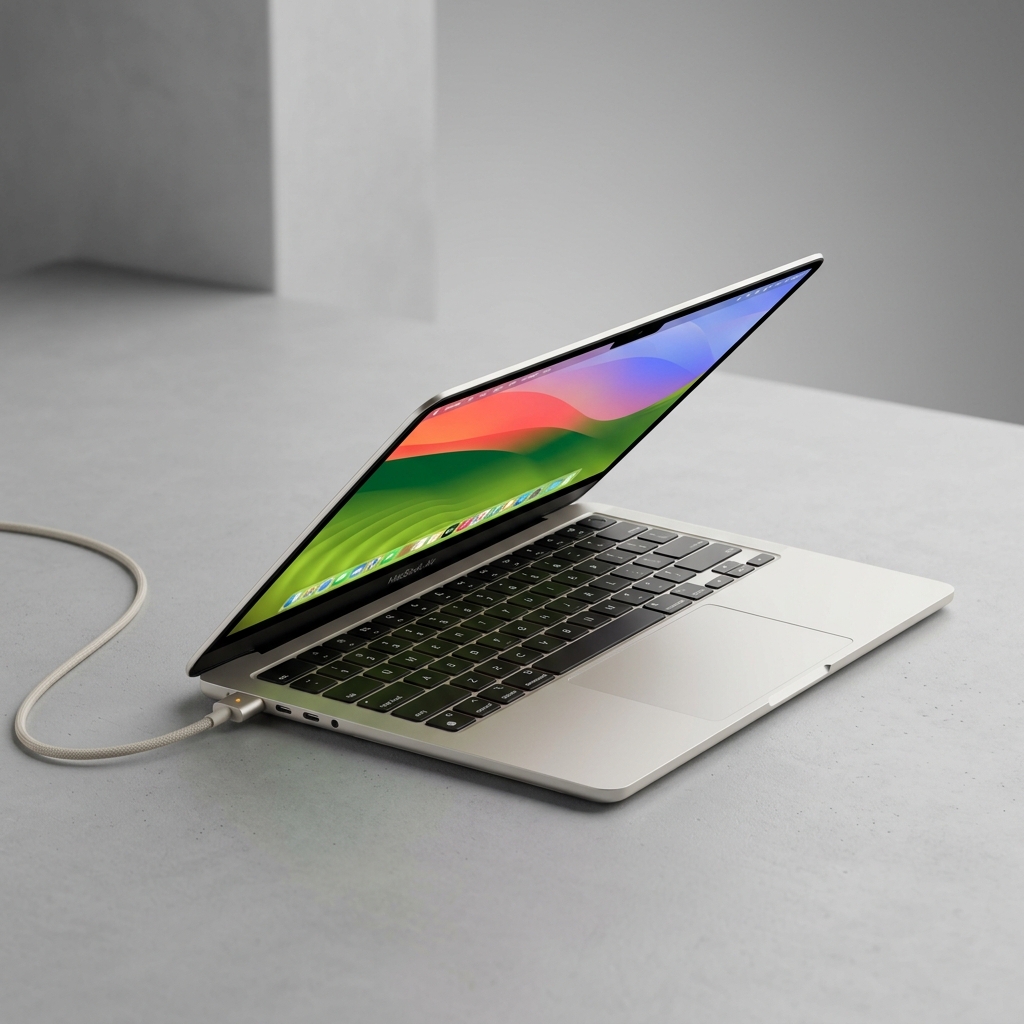
Macbook Air
The world’s premier laptop for mainstream users. An unprecedented fusion of silent performance, ultra-slim aesthetics, and multi-day battery longevity.
Check Today's Price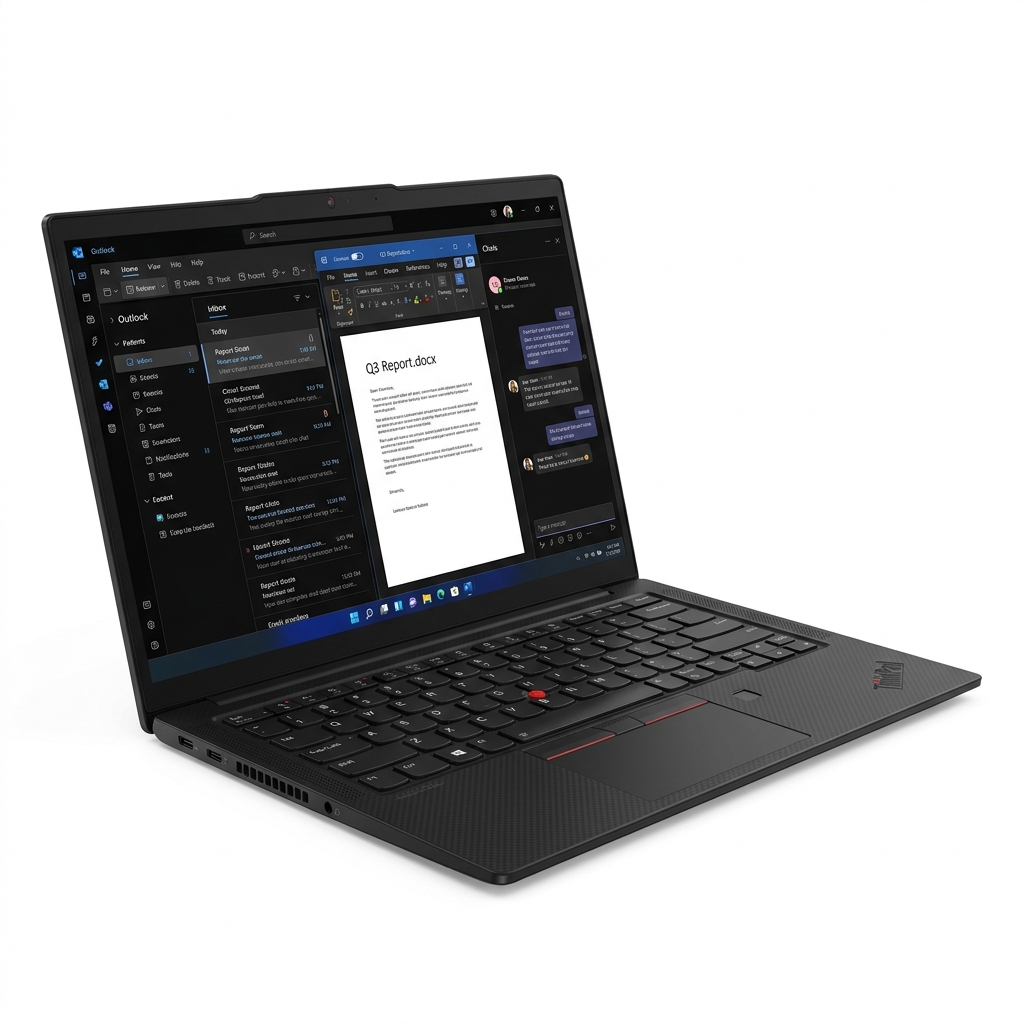
ThinkPad X1 Carbon
The ultimate enterprise workhorse. MIL-SPEC durability paired with the industry’s finest tactile keyboard; a timeless productivity tool.
Check Today's PriceTop AI Courses is an independent intelligence engine. We may earn an affiliate commission from qualifying purchases made through our "Market Links." This model ensures our architectural research remains decentralized, independent, and free for the global 2026 workforce.
AI Skills for Legal Professionals
“Microsoft AI tools dominate legal enterprise. Understanding them gives lawyers a measurable edge in productivity and employability.”
Explore Microsoft AI Courses →The Architect's Library
Precision tools verified for 2026 AI ecosystems. Industrial-grade hardware for those who build the future.
Top AI Courses is an independent intelligence engine. We may earn an affiliate commission from qualifying purchases made through our "Market Links." This model ensures our architectural research remains decentralized, independent, and free for the global 2026 workforce.