AI for Nurses: Practical Tools and Career Impact in 2026
“AI will not replace nurses. Nursing requires physical patient care, human empathy, and clinical judgment that AI cannot replicate. However, AI tools for clinical documentation, early warning systems, and care coordination are saving nurses 2-3 hours per shift on administrative tasks — allowing more time for actual patient care.”
Educational content only. AI-assisted and editorially reviewed. See full Legal Notice.
AI for Nurses: Practical Tools and Career Impact in 2026
Nursing is consistently ranked as one of the professions least likely to be automated. The physical demands, human empathy, and moment-to-moment clinical judgment that define nursing are fundamentally resistant to AI replacement.
But that does not mean AI is irrelevant to nurses. Quite the opposite: AI is actively reshaping what nurses spend their time on, what tools they work with, and what career paths are available to them.
---
The Documentation Crisis and AI's Solution
One of the most significant pain points in nursing is documentation. Studies consistently show that nurses spend 30-40% of their shift time on EHR documentation — charting, order management, and administrative tasks rather than patient care.
AI is addressing this directly.
Ambient Clinical Documentation
Nuance DAX (Microsoft-owned) and Suki AI use ambient microphones to listen to patient-nurse interactions and automatically generate clinical notes. The nurse reviews and approves the AI-generated documentation rather than typing it.
Early adopters in hospital systems including Mayo Clinic and UPMC report:
This is one of the clearest examples of AI improving nursing without threatening it — AI handles the paperwork, nurses spend the time with patients.
---
AI Early Warning Systems: The Most Life-Saving Application
Epic Deterioration Index
The most widely deployed clinical AI in the US. Integrated into Epic EHR (used by 78% of US hospitals), it continuously calculates a deterioration score for every patient based on vitals, labs, nursing documentation, and order patterns.
When a patient's score crosses a threshold, nurses receive an alert before clinical signs would be obvious to a bedside nurse. Studies across 20+ health systems show:
The Sepsis Sniffer
Sepsis kills approximately 270,000 Americans annually and is notoriously difficult to identify early. AI models analyzing continuous vital data, lab values, and nursing notes can identify sepsis risk hours before the classic SIRS criteria appear.
Hospitals using AI sepsis detection report mortality reductions of 15-20% for sepsis patients.
Fall Prevention AI
AI systems analyzing patient movement, medication history, and clinical factors predict fall risk with higher accuracy than manual scoring tools. This allows nurses to allocate closer monitoring to genuinely high-risk patients rather than applying blanket protocols.
---
Medication Management
Pyxis AI and Omnicell AI (the two dominant automated dispensing systems) use AI to:
For nurses, this means the system serves as a secondary safety check — reducing medication error rates without requiring extra steps.
---
Care Coordination and Scheduling
AI scheduling tools like Shift Wizard AI and Kronos AI optimize nurse staffing to match predicted patient acuity — ensuring adequate coverage during busy periods and reducing overstaffing during slower times. This reduces mandatory overtime while improving patient safety ratios.
Patient assignment AI distributes patient loads based on acuity, nurse specialization, and continuity of care factors — rather than simple room-based assignment — improving both outcomes and nurse satisfaction.
---
New Career Paths Opening for Nurses
Clinical Informatics Nurse
Works at the intersection of clinical practice and health IT. Selects, implements, and optimizes clinical AI tools. Represents nursing needs in technology decisions. One of the fastest-growing healthcare roles.
Average salary: $90,000-$120,000 (vs. $75,000-$85,000 for bedside RN)
Telehealth RN with AI Monitoring
Manages large panels of remote patients using AI monitoring platforms that aggregate data from wearables and home monitoring devices. AI handles continuous monitoring and alerts the nurse when action is needed.
Average salary: $85,000-$105,000 — often fully remote
AI Implementation Specialist (Healthcare)
Helps hospitals implement and train staff on clinical AI tools. Requires nursing background plus AI tool knowledge. High demand, limited supply.
Average salary: $95,000-$130,000
Population Health Nurse with AI Analytics
Uses AI-powered population health platforms to identify high-risk patients before they require acute care. Works with care management teams to intervene proactively.
Average salary: $88,000-$110,000
---
What Nurses Should Learn Right Now
Priority 1: Learn your hospital's AI tools. If your hospital uses Epic, become proficient with the Deterioration Index and other AI alerts. If your unit uses ambient documentation, get trained early. These skills will matter in hiring decisions.
Priority 2: Basic AI literacy. Understanding how clinical AI tools make predictions — and crucially, their limitations and failure modes — makes you a better user. An AI alert should inform your clinical judgment, not replace it.
Priority 3: Consider informatics. If you are interested in moving away from bedside nursing, clinical informatics is one of the strongest career pivots available. The combination of clinical expertise and AI tool knowledge is currently in high demand and short supply.
IBM's healthcare AI certifications provide the most recognized credentials for nurses pursuing informatics and healthcare AI roles.
→ IBM AI certifications for healthcare professionals
---
The Bottom Line
AI is not the threat to nursing that it is to many other professions. The hands-on, relationship-intensive, judgment-driven core of nursing is deeply resistant to automation.
But nurses who understand AI tools, who can interpret AI alerts with clinical judgment, and who can adapt their workflows to leverage AI for documentation and monitoring — those nurses will be the most effective, the most sought-after, and the most protected from whatever disruption does come.
Hardware Validation
Vetted tools for peak Careers performance in high-yield AI workflows.
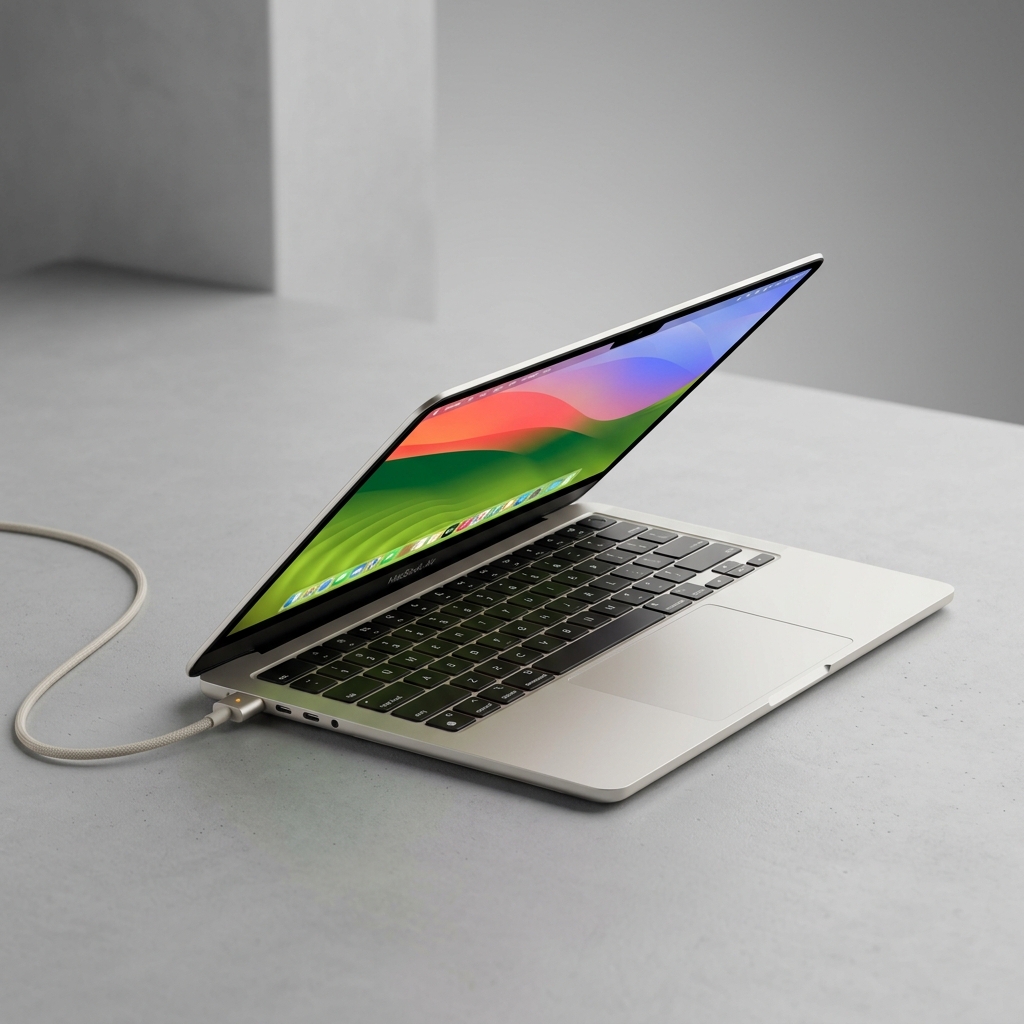
Macbook Air
The world’s premier laptop for mainstream users. An unprecedented fusion of silent performance, ultra-slim aesthetics, and multi-day battery longevity.
Check Today's Price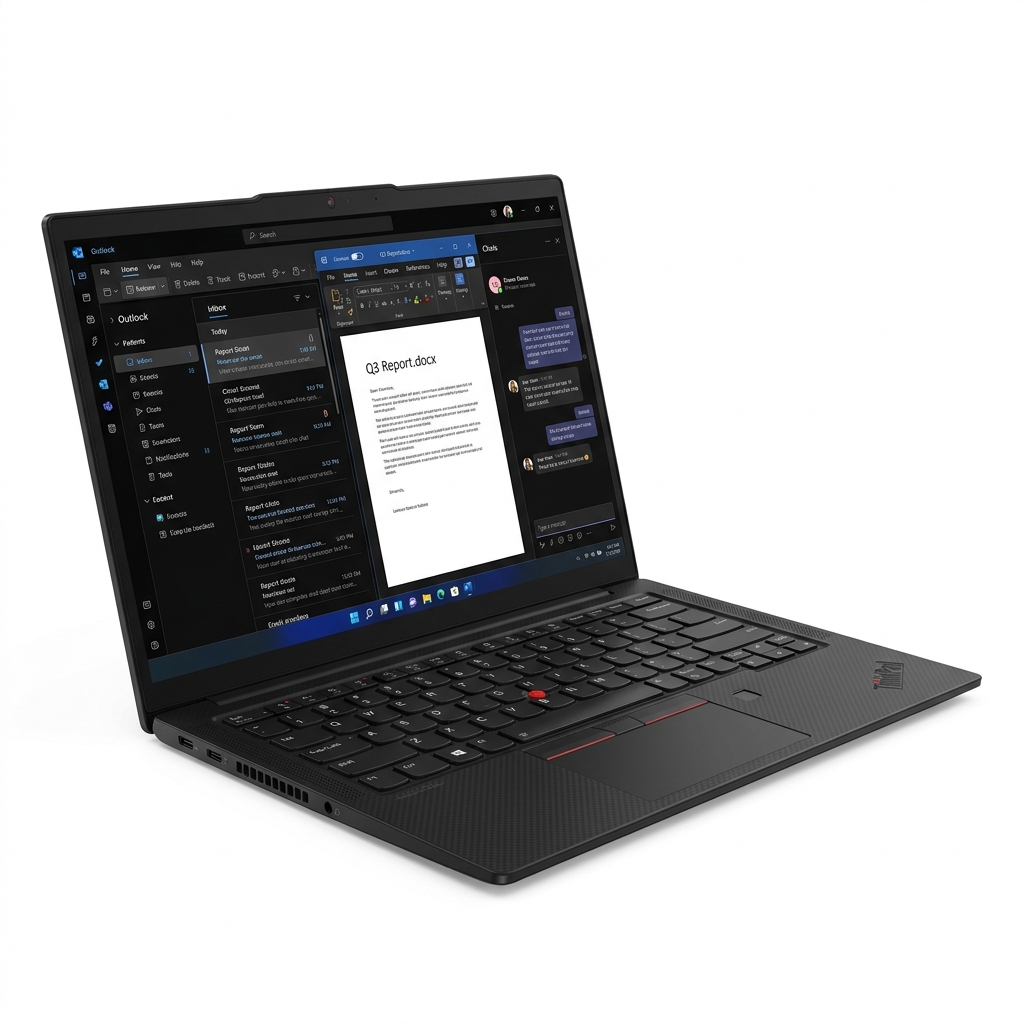
ThinkPad X1 Carbon
The ultimate enterprise workhorse. MIL-SPEC durability paired with the industry’s finest tactile keyboard; a timeless productivity tool.
Check Today's PriceTop AI Courses is an independent intelligence engine. We may earn an affiliate commission from qualifying purchases made through our "Market Links." This model ensures our architectural research remains decentralized, independent, and free for the global 2026 workforce.
AI Skills for Healthcare Professionals
“IBM is the leading AI provider in healthcare with Watson Health, clinical decision support tools, and the most recognized healthcare AI certifications.”
Explore IBM AI Courses →The Architect's Library
Precision tools verified for 2026 AI ecosystems. Industrial-grade hardware for those who build the future.
Top AI Courses is an independent intelligence engine. We may earn an affiliate commission from qualifying purchases made through our "Market Links." This model ensures our architectural research remains decentralized, independent, and free for the global 2026 workforce.